
Teresa Margolles, Laura Valencia and Fabiola Rayas: a work that confronts violence head-on
DOI:
https://doi.org/10.54104/nodo.v20n40.2422Keywords:
Mexico, Teresa Margolles, Laura Valencia, Fabiola Rayas, activismAbstract
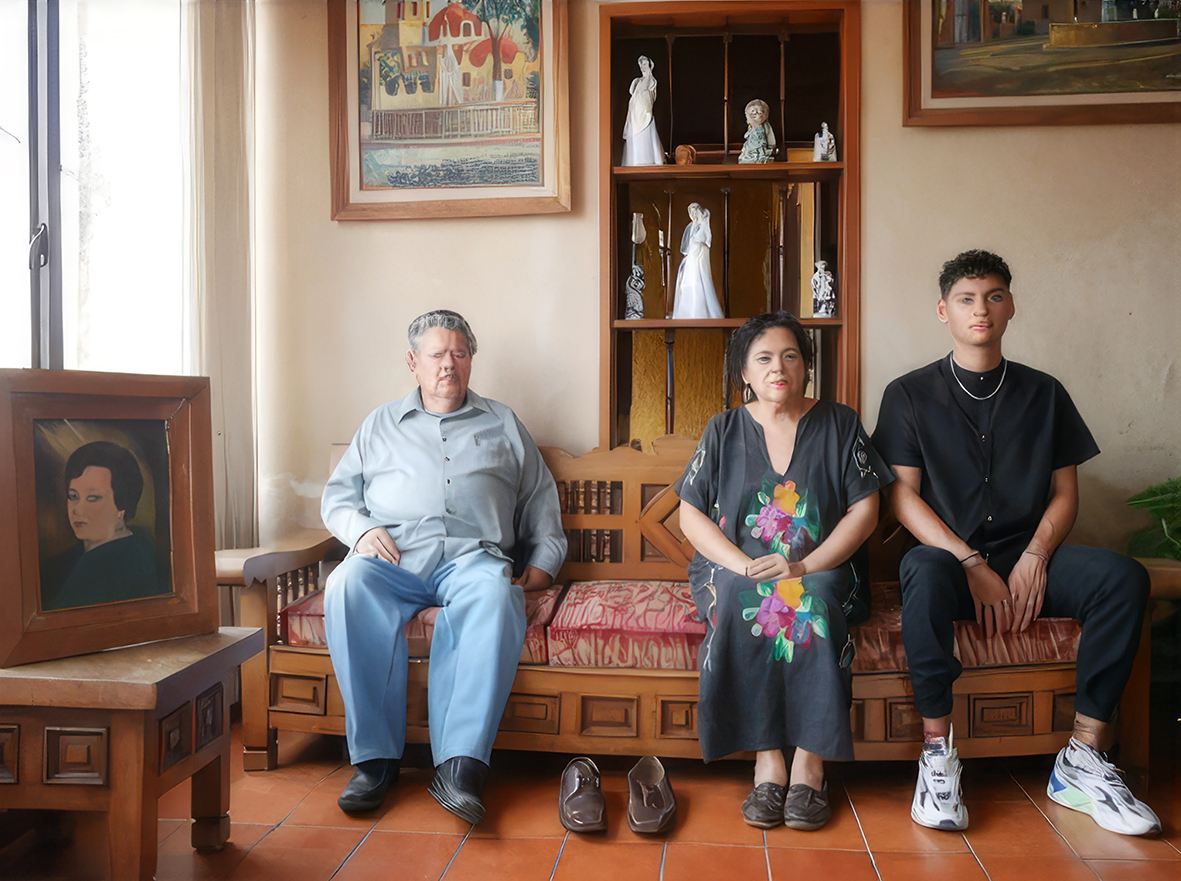
For more than twenty years, artistic practices have been developing in the public space, in order to make visible the forms of violence that impact Mexican civil society. Initiated by collectives working or not with artists, the use of artistic forms invites us to question what potentialities creation contains, what aesthetics are implemented in the face of violence and with what impacts. The analysis focuses on two generations of women artists who have placed social and political violence at the heart of their practice: Teresa Margolles (1965), Laura Valencia (1979) and Fabiola Rayas (1985). Each portrait aims to understand how art moves from the museum to the street and the changes induced by this movement in terms of elaboration, reception and exhibition. The analysis allows us to question the links between art and artivism, the role played by the body and the originality of the resulting work.
Downloads
References
Attia, K. Traducción Weal, M.-T. (2015). Montre tes blessures. Multitudes, 60(3), 29-33. https://doi.org/10.3917/mult.060.0029
Belting, H. (2007). La Vraie image. Croire aux images?. París: Gallimard NRF.
Benjamin, W. (1996) [1931]. Petite histoire de la photographie, Études photographiques, (1). http://journals.openedition.org/etudesphotographiques/99
Bourriaud, N. (2001). L’Esthétique relationnelle. Dijon: Les Presses du Réel.
Certeau, M. de (1990). L’Invention du quotidien I. Arts de faire, París: Gallimard (Folio Essais).
Colectivo anónimo. (2020). Anti-monumentos, memoria, verdad y justicia. Ciudad de México: Heinrich Böll Stiftung Ciudad de México.
Diéguez, I. (2018). La performatividad de los afectos. In C. Perrée & I. Diéguez (eds.). Cuerpos memorables. Mexico: Centro de Estudios Mexicanos y Centroamericanos. https://doi.org/10.4000/books.cemca.8912
Gell, A. Traducción Sophie y Olivier Renaut (2009). L’Art et ses agents, une théorie anthropologique. Rennes: Les Presses du Réel.
Huellas de la Memoria. (2018). Trazos de resistencia. Huellas de la memoria. Hasta encontrarles. Guadalajara: Huellas de la Memoria y La Rueda Cartonera.
Huffschmid, A. (sin fecha). Las narrativas y disputas por la memoria en el México actual, in Experiencias para la memoria, Fundación Heinrich Böll. https://experienciasparalamemoria.mx/la-narrativa-de-la-memoria/
Jelin, E. (2002), Los trabajos de la memoria. Madrid: Siglo XXI de España Editores.
Jelin, E. y Langland, V. (2003). Las marcas territoriales como nexo entre pasado y presente, in Monumentos, memoriales y marcas territoriales. Madrid. Siglo XXI: 1-18.
Lemoine, S.& Ouardi, S. (2010). Artivisme: art, action politique et résistance culturelle. París: Alternatives.
Márquez, F. & Rozas Krause, V. (2014). Las heridas de la memoria. Disputas patrimoniales en el Palacio de la Moneda, Chile. Cuadernos de Antropología Social, núm. 40, diciembre, 149-176.
Medina, C. (2009). Teresa Margolles. ¿De qué otra cosa podríamos hablar? Madrid: RM Editores.
Nancy, J.-L. (2000). Image et violence. Le Portique, (6). https://doi.org/10.4000/leportique.451
Olalde, K. (2018). Dar cuerpo y poner en movimiento a la memoria. In C. Perrée & I. Diéguez (eds.), Cuerpos memorables. Mexico: Centro de Estudios Mexicanos y Centroamericanos. https://doi.org/10.4000/books.cemca.8917
Perrée, C. (2013). Au Mexique, la mort suinte dans l’art. Teresa Margolles: quand l’œuvre saigne. Amerika (8). DOI: https://doi.org/10.4000/amerika.3812
Perrée, C. (2017). Performance del Caminar de Fabiola Rayas Chávez, in Migr’Art.
Territorios y desplazamientos. México: Centro de Estudios Mexicanos y Centroamericanos. https://www.cemca.org.mx/migrart/fabiolarayas.html#cemca
Rayas Chávez, F. y Cardoso Martínez, A. (sin fecha), Caminar el cuerpo desaparecido. Procesos de construcción de memoria y archivo a partir de prácticas textiles, participativas y performativas. https://memoricamexico.gob.mx/es/memorica/Caminar_el_cuerpo_desaparecido
Ricoeur, P. (2000). La Mémoire, l’histoire, l’oubli. París: Éditions du Seuil.
Downloads
Published
-
Abstract165
-
PDF (Español)36
How to Cite
Issue
Section
License
Copyright (c) 2026 Caroline Perrée

This work is licensed under a Creative Commons Attribution-NonCommercial-ShareAlike 4.0 International License.

 Portal de Ciencia Abierta